SW19 After Builders Cleaning Experts for Wimbledon Homes
Building work can be exciting right up until the dust settles. Then comes the real shock: fine plaster dust on skirting boards, paint specks on glass, grout haze in the bathroom, and a film over surfaces that seems to appear everywhere at once. If you are looking for SW19 after builders cleaning experts for Wimbledon homes, you probably want one thing above all else: a proper reset, not a quick tidy-up.
This guide explains what after builders cleaning actually involves, how it works in a Wimbledon home, what to expect from a professional team, and how to avoid the common mistakes that leave renovation residue behind. It also covers practical checklists, useful comparisons, and the small details that matter when your home has just been refurbished. To be fair, that final 10% of cleaning is often the part that makes a home feel finished.
Why SW19 after builders cleaning experts for Wimbledon homes Matters
After builders cleaning is not the same as regular household cleaning. It is a more detailed, more patient, and frankly more unforgiving process. The job is to remove the fine residue left after construction, decorating, carpentry, tiling, or refurbishments so the property is safe, presentable, and actually enjoyable to live in.
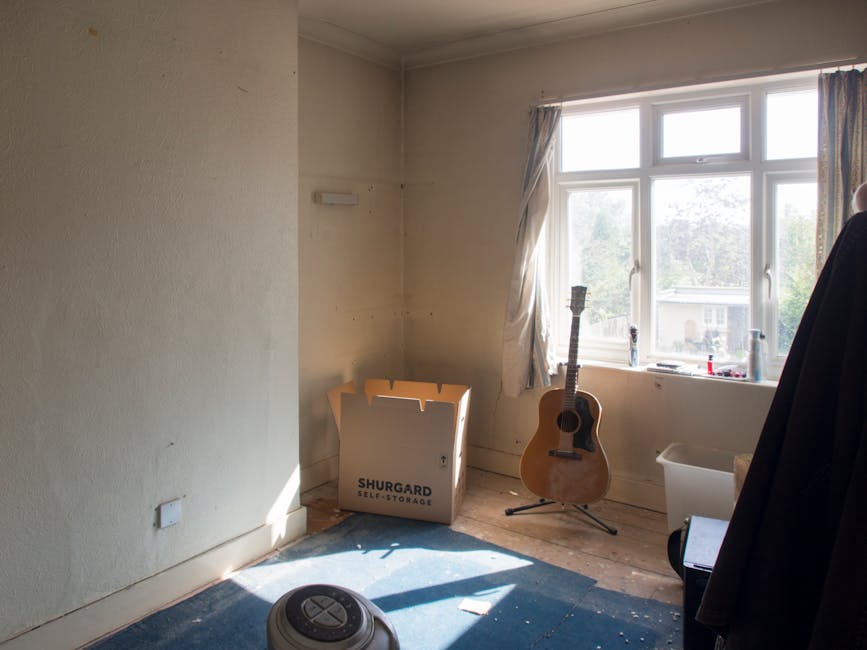
In Wimbledon homes, this matters even more because properties vary so much. You might be dealing with a period maisonette, a family house, a flat with shared access, or a modern townhouse with glass, stone, and fitted finishes. Each surface behaves differently. Fresh paint may look dry but still be vulnerable. New flooring can scratch easily. Silicone dust clings to edges. And builder's dust, annoyingly, gets into places you would not expect, like behind radiators and inside cupboard hinges.
People often assume the builder has "left it mostly clean". Usually, not quite. Builders focus on the work itself, and that is fair enough. A cleaning team steps in later to handle the residue, the details, and the finish. If you want a deeper overview of the service itself, the page on after builders cleaning is a useful starting point.
The real value is simple: a home that feels ready, not half-finished. That matters whether you are moving back in, preparing to sell, welcoming tenants, or just trying to get your life back after weeks of dust and disruption.
How SW19 after builders cleaning experts for Wimbledon homes Works
A good after builders clean usually follows a structured process rather than a random wipe-down. The exact order can vary, but the logic stays the same: remove loose debris, tackle dust from top to bottom, clean surfaces in the right sequence, then finish with inspection and touch-ups.
Typically, the process begins with a walkthrough. This is where the cleaner checks the scope of the work, identifies delicate surfaces, spots problem areas, and decides what specialist attention is needed. A kitchen with new cabinets, for example, needs a different approach from a living room that only had plastering and painting.
Then comes the heavy dust removal. This stage matters more than people think. If you go in too quickly with wet cloths, you can turn dust into a paste and smear it across the room. Not ideal. Instead, experienced cleaners work methodically: high areas first, then lower surfaces, then floors last.
In practical terms, after builders cleaning often includes:
- dust removal from ledges, skirting, doors, sockets, and switches
- careful wiping of cabinets, shelves, and internal storage
- cleaning of windows, frames, tracks, and sills
- removal of paint spots, plaster dust, adhesive residue, and light grout haze
- degreasing of kitchens and cleaning of appliances where appropriate
- bathroom detailing around taps, tiles, mirrors, and sanitaryware
- floor cleaning suited to the surface, whether hard floor or carpet
For homes with specific finishing needs, the cleaning may be paired with related services such as deep cleaning, window cleaning, or hard floor cleaning. In some cases, a post-renovation property may also benefit from carpet cleaning or steam carpet cleaning if fine dust has settled deep into fibres.
One thing worth saying: after builders cleaning is as much about judgement as elbow grease. Knowing what not to scrub is just as important as knowing what to attack. A good cleaner will protect delicate finishes, test products where needed, and avoid shortcuts that create more work later.
Key Benefits and Practical Advantages
The obvious benefit is cleanliness, but that only scratches the surface. A proper post-build clean can make a home safer, protect finishes, and speed up the return to normal life. Let's break that down.
1. It helps protect new surfaces. Fresh installations can be surprisingly delicate. Dust trapped underfoot can scratch flooring. Wrong cleaning products can dull tiles or marks on paint. A careful clean reduces the risk of accidental damage.
2. It improves the feel of the home immediately. Anyone who has walked into a newly refurbished room and still caught that gritty feel underfoot knows the difference. When the dust is gone, light reflects properly again, surfaces look finished, and the place starts to feel like home.
3. It saves time and energy. Truth be told, post-build dust is relentless. You wipe once, and more appears. You open a cupboard, and there it is again. A specialist clean saves a lot of repeated effort, especially if you are also trying to unpack, arrange furniture, or deal with contractors.
4. It makes handover easier. If the property is being handed back to owners, tenants, purchasers, or guests, the final impression matters. A clean, polished finish can make the whole project feel properly completed.
5. It supports better indoor comfort. Fine dust can linger in the air and settle on soft furnishings, which is especially annoying in rooms with carpets, curtains, and upholstery. That is where services like upholstery cleaning, sofa cleaning, or curtain cleaning can be useful if the renovation was particularly dusty.
Expert summary: The best after builders cleaning is not just about making a room look tidy. It is about restoring the property in the right order, protecting new finishes, and removing the hidden residue that ordinary cleaning misses.
Who This Is For and When It Makes Sense
This service suits a wide range of Wimbledon homeowners and property managers. You do not need to have completed a huge renovation to benefit from it either. Even relatively small works can leave a surprising amount of mess.
It makes sense if you have:
- had a kitchen or bathroom refit
- completed plastering, repainting, or decorating
- installed new flooring, windows, or joinery
- converted loft, basement, or outbuildings
- had ongoing tradespeople in and out for several days or weeks
- just moved into a renovated property that still feels dusty
For some homeowners, it is a one-off event. For others, it sits alongside move-related services such as move in cleaning or move out cleaning. If you are finishing a refurbishment just before reoccupation, the clean can become the bridge between the building phase and normal living.
There are also practical situations where it is worth adding on other services. A property with renovation dust on skirting boards and flooring may also need oven cleaning if kitchen works have been completed, or stain removal if paint spots or adhesive marks have landed in the wrong places. A slightly chaotic bit of the process, that is normal.
If you manage a home that is rented, used for guests, or part of a busy household, you may also want to compare this with one off cleaning or domestic cleaning to see whether the job needs a regular service afterwards.
Step-by-Step Guidance
If you are planning an after builders clean, a clear sequence helps. It reduces stress and makes it easier to judge whether the job has been done properly.
- Walk the property first. Check which rooms were worked on, which surfaces are delicate, and where the worst dust has settled. Take note of anything that needs special care, such as polished stone, new carpets, or brushed metal fittings.
- Remove loose debris. Bits of packaging, offcuts, dust sheets, nails, and leftover materials need to go before cleaning starts. This is where a bit of house clearance style thinking can help if the works generated a lot of leftover clutter.
- Work top to bottom. Clean shelves, tops of cupboards, light fittings, and ledges before anything lower down. Otherwise the dust just falls back where you have already cleaned. A bit obvious, yes, but this is where many DIY attempts fall apart.
- Detail the edges and fixes. Skirting boards, sockets, switches, door frames, and cabinet handles often need careful wiping. Builders dust loves corners.
- Treat each floor correctly. Hard floors, carpet, rugs, and vinyl all need different methods. If the wrong product is used, you may get streaking or residue. For sensitive surfaces, services such as rug cleaning or hard floor cleaning can be especially helpful.
- Finish with glass and fixtures. Windows, mirrors, taps, and stainless steel show every smear, so they are usually one of the last steps.
- Inspect again in good light. Morning light or bright artificial light often reveals missed dust. A quick second pass is normal and, honestly, worth it.
For homes with a mix of surfaces, it can help to choose supporting services before the clean begins. For example, if the works included a new bathroom and kitchen, you might review one-off cleaning for the general reset and add window cleaning for the final finish. That kind of planning saves time later.
Expert Tips for Better Results
A few small decisions can make a big difference to the final result. These are the things experienced cleaners tend to notice quickly.
Book after the trades are fully finished. If decorators, electricians, or fitters are still returning, you will only create more work. It sounds obvious, but it happens all the time. Ideally, the final clean should happen once all major dust-producing work is complete.
Keep the property ventilated. Fresh air helps reduce that stale dust smell that clings after construction. Open windows where safe and practical, especially after plaster or paint work has dried.
Be clear about the most delicate materials. New quartz, natural stone, untreated wood, matt paint, and specialist flooring all need tailored care. A cleaner should know this, but it helps to mention it anyway.
Photograph problem spots before the clean. This is useful if there are paint drips on a window frame, adhesive on a tile edge, or marks you want checked carefully. Nothing dramatic. Just practical.
Plan for soft furnishings and textiles. If the renovation was dusty, dust may have settled into fabric. That is when mattress cleaning, sofa cleaning, or curtain cleaning can make the whole home feel fresher, not just the hard surfaces.
Ask about the order of work. The best teams can explain how they will move through the property. If they cannot explain the sequence clearly, that is a small yellow flag.
Use the first clean as a reset, then maintain it. A renovated home often needs a short period of extra maintenance because dust continues to settle. Pairing the final clean with regular cleaning afterwards can be a smart way to keep things under control.
Common Mistakes to Avoid
After builders cleaning has a few classic pitfalls. Some are harmless, others can cause damage.
- Cleaning too soon. If plaster, sealant, or paint has not fully cured, you can smear or damage the finish.
- Using the same cloth everywhere. That spreads dust from room to room. Fresh cloths, or at least cloths changed frequently, make a real difference.
- Going wet too early. Wet cleaning before dry dust removal often creates sticky residue. A bit of a mess-maker, that one.
- Ignoring hidden areas. Behind radiators, on tops of doors, inside vents, and around hinges are common dust traps.
- Using harsh products on new finishes. Strong chemicals can dull surfaces or leave a film. Gentler methods are usually better unless a specialist product is needed.
- Forgetting the soft furnishings. A room can look clean but still feel dusty if upholstery and carpets have not been addressed.
- Assuming one pass is enough. On a real post-build job, it often is not. A second inspection catches the stubborn bits.
There is also a mindset mistake: expecting ordinary housekeeping to handle construction residue. It usually cannot. That is why homeowners often call in a specialist instead of spending three days chasing the same film of dust around the house.
Tools, Resources and Recommendations
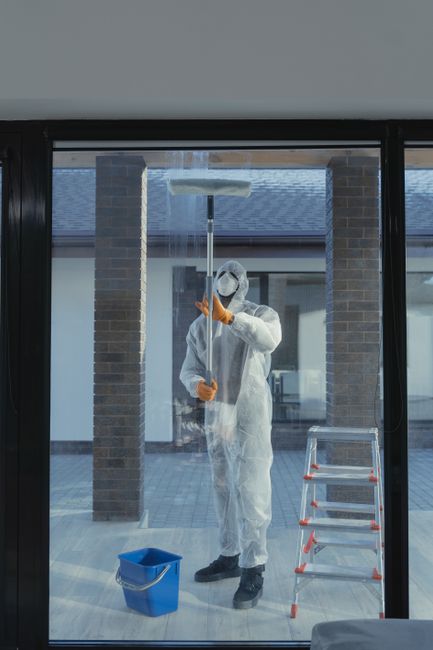
You do not need to buy a van full of kit, but the right tools matter. A professional setup typically includes microfiber cloths, extendable dusting tools, vacuum attachments, floor-safe cleaning agents, scraping tools for gentle residue removal, and the right PPE.
For a homeowner or property manager planning the clean, the most useful resources are simple:
- a room-by-room list of completed works
- an inventory of delicate surfaces or fittings
- photos of problem areas before cleaning
- access arrangements for keys, parking, and entry
- basic information on what has been painted, sealed, or fitted recently
If you are comparing services, the most relevant supporting pages are often the ones that explain how a company works and how it handles customer confidence. For example, about us can help you understand the team's background, while insurance and safety is worth checking before anyone enters a freshly finished home. If you care about sustainability, the page on recycling and sustainability may also be relevant.
If you are at the stage of comparing quotes, the most sensible next step is usually to look at pricing and quotes. And if a job needs a bit of everything, a broader deep cleaning discussion can help you work out where the boundary sits between general refresh and builder residue removal.
Law, Compliance, Standards, or Best Practice
For most homeowners, after builders cleaning is not a highly regulated activity in the way some trades are. But that does not mean standards do not matter. Good practice still matters a great deal, especially where safety, access, and materials are concerned.
A trustworthy provider should have clear procedures for health and safety, safe product use, and insurance. It is reasonable to ask how they protect new finishes, how they manage slips and trip risks, and whether they have a clear complaints route if something is missed. If you want to understand these commitments in plain terms, a company should make relevant information available in pages such as health and safety policy, terms and conditions, and complaints procedure.
Privacy and payment handling also matter. If you are sharing access details, property photos, or booking information, the business should treat that carefully. It is sensible to review privacy policy and payment and security where available.
There is one more point that often gets overlooked: access and neighbour care. In Wimbledon, many homes sit close together, and shared entrances or parking can affect a clean. Good practice means arriving prepared, avoiding unnecessary disruption, and keeping the work tidy around communal spaces. If that is relevant to your property, communal area cleaning may be a useful adjacent service.
Options, Methods, or Comparison Table
Not every post-renovation property needs the same level of intervention. Here is a simple comparison to help you decide what fits best.
| Option | Best for | What it usually covers | Limitations |
|---|---|---|---|
| Basic tidy-up | Very light dust after minor work | Visible dust, general wipe-down, quick vacuuming | Often misses detailed residue, edges, and glass marks |
| After builders cleaning | Most renovation and refurbishment projects | Detailed dust removal, surface care, residue removal, floor and glass finishing | May not include specialist restoration or heavy stain removal |
| Deep cleaning plus extras | Dust-heavy, multi-room, or high-traffic homes | Builders clean with add-ons such as carpets, upholstery, ovens, or windows | Needs more planning and may take longer |
| Specialist add-on service | Specific problem areas | Targeted carpet, sofa, window, or hard floor treatment | Does not replace a full property clean |
If your project included exposed flooring or soft furnishings, it is often sensible to combine the main clean with specialist services like carpet cleaning, steam carpet cleaning, or upholstery cleaning. The point is not to add services for the sake of it. It is to match the method to the mess.
Case Study or Real-World Example
Here is a typical Wimbledon scenario. A homeowner in SW19 has just finished a kitchen refurbishment and internal decorating. The units are new, the splashback has just been fitted, and the room looks finished at first glance. But look closer and there is plaster dust along the plinths, a light haze on the patio doors, adhesive marks near the window frame, and a faint gritty feel on the floor.
Rather than spending the weekend chasing dust with household products, they book an after builders clean. The team arrives once all trades have left, checks the new finishes, and works in sequence: dusting high ledges, cleaning cabinetry, treating the glass, detailing the sink area, and carefully finishing the floors last. The carpet in the adjoining hallway also gets attention because dust has drifted beyond the kitchen threshold.
By the end, the kitchen no longer looks "nearly done". It looks ready. The difference is subtle, then suddenly obvious. Light reflects better, the worktops feel smoother, and there is no grit underfoot when you walk in barefoot at night. That last bit sounds small, but it is often the thing people remember.
In cases like this, a homeowner may also add window cleaning for the full finish, or one-off cleaning if the rest of the house needs a reset after weeks of disruption. A home can be visually complete and still feel dusty; the right clean bridges that gap.
Practical Checklist
Use this checklist before your after builders clean. It keeps the process calmer and makes the final result easier to manage.
- Confirm all building and decorating work is fully complete
- Remove leftover materials, packaging, and large debris
- Identify delicate surfaces, new flooring, and untreated finishes
- Make a note of paint spots, adhesive marks, or grout haze
- Check access arrangements, parking, and entry instructions
- Ask what is included in the clean and what is treated as an add-on
- Decide whether carpets, upholstery, curtains, or mattresses also need attention
- Arrange good ventilation where practical
- Keep a few photos of any problem areas before cleaning starts
- Inspect the property again after the clean in bright light
If you want to build a fuller maintenance plan after the works, you might also review house cleaning or regular cleaning so the home stays in good shape once the builders dust is gone.
Conclusion
SW19 after builders cleaning experts for Wimbledon homes play a very specific role: they turn a newly worked-on property into a home you can actually live in. That means understanding dust behaviour, treating different materials correctly, and finishing the job with care rather than hurry.
Whether you have had a small refresh or a full refurbishment, the right clean protects your investment and saves you from the endless loop of wiping the same surfaces over and over. It also brings a bit of peace back into the house, which after building work can feel surprisingly precious. Honestly, that matters more than people expect.
If you are planning your next step, choose a service that is clear about its process, careful with delicate finishes, and honest about what your property really needs. A good result should feel calm, clean, and complete.
Get a free quote today and see how much you can save.
Frequently Asked Questions
What does after builders cleaning include in a Wimbledon home?
It usually includes detailed dust removal, wiping of surfaces, cleaning of windows and frames, floor care, and removal of light residue such as plaster dust, paint spots, or adhesive marks. The exact scope depends on the work carried out.
How is after builders cleaning different from regular cleaning?
Regular cleaning maintains a home that is already clean. After builders cleaning tackles construction residue, fine dust, and marks left by trades, which need a more systematic and careful approach.
When should I book an after builders clean?
Ideally, book it once all major building, decorating, and installation work is fully finished. If trades are still coming back in, the dust will keep returning.
Do I need after builders cleaning after a small renovation?
Often, yes. Even modest work can create more dust and residue than people expect, especially after plastering, sanding, tiling, or painting.
Can after builders cleaning protect new flooring and fittings?
It can help protect them by removing abrasive dust and cleaning them with appropriate methods. That said, delicate surfaces still need careful handling, so it is important to mention them before the clean starts.
Should carpets and upholstery be cleaned too?
If dust has settled into soft furnishings, it can be a smart add-on. Services such as carpet cleaning or upholstery cleaning may be useful after dusty building work.
How long does an after builders clean usually take?
It depends on property size, the amount of work completed, and how much residue is present. A single room with light work is very different from a whole-house refurbishment.
What should I do before the cleaners arrive?
Remove leftover building waste, confirm access, and point out delicate materials or specific trouble spots. A quick walkthrough beforehand usually saves time later.
Will after builders cleaning remove all paint and plaster marks?
It removes many common marks, but some stubborn stains or cured residues may need specialist attention. It is best to be realistic about what can be safely removed without damaging the surface.
Is after builders cleaning suitable for rented properties or move-ins?
Yes. It is often used before moving in, after works between tenancies, or when a property has been refurbished and needs a proper final reset.
How do I choose the right company for the job?
Look for clear service descriptions, a sensible cleaning process, visible safety and insurance information, and straightforward pricing. The best choice is usually the one that explains what it will do, and what it will not do, without vagueness.
What if I need extra services after the builders clean?
That is common. You may want window cleaning, hard floor cleaning, oven cleaning, or deep cleaning as part of a fuller home reset after the work is complete.